![What Is The Minimum Down Payment (Deposit) For A House In The Uk? [2026][Short Version]](https://mortgagemapper.com/featured-images/what-is-the-minimum-down-payment-deposit-for-a-house-in-the-uk-2026-short-version.jpg)
What Is The Minimum Down Payment (Deposit) For A House In The Uk? [2026][Short Version]
Table of Contents
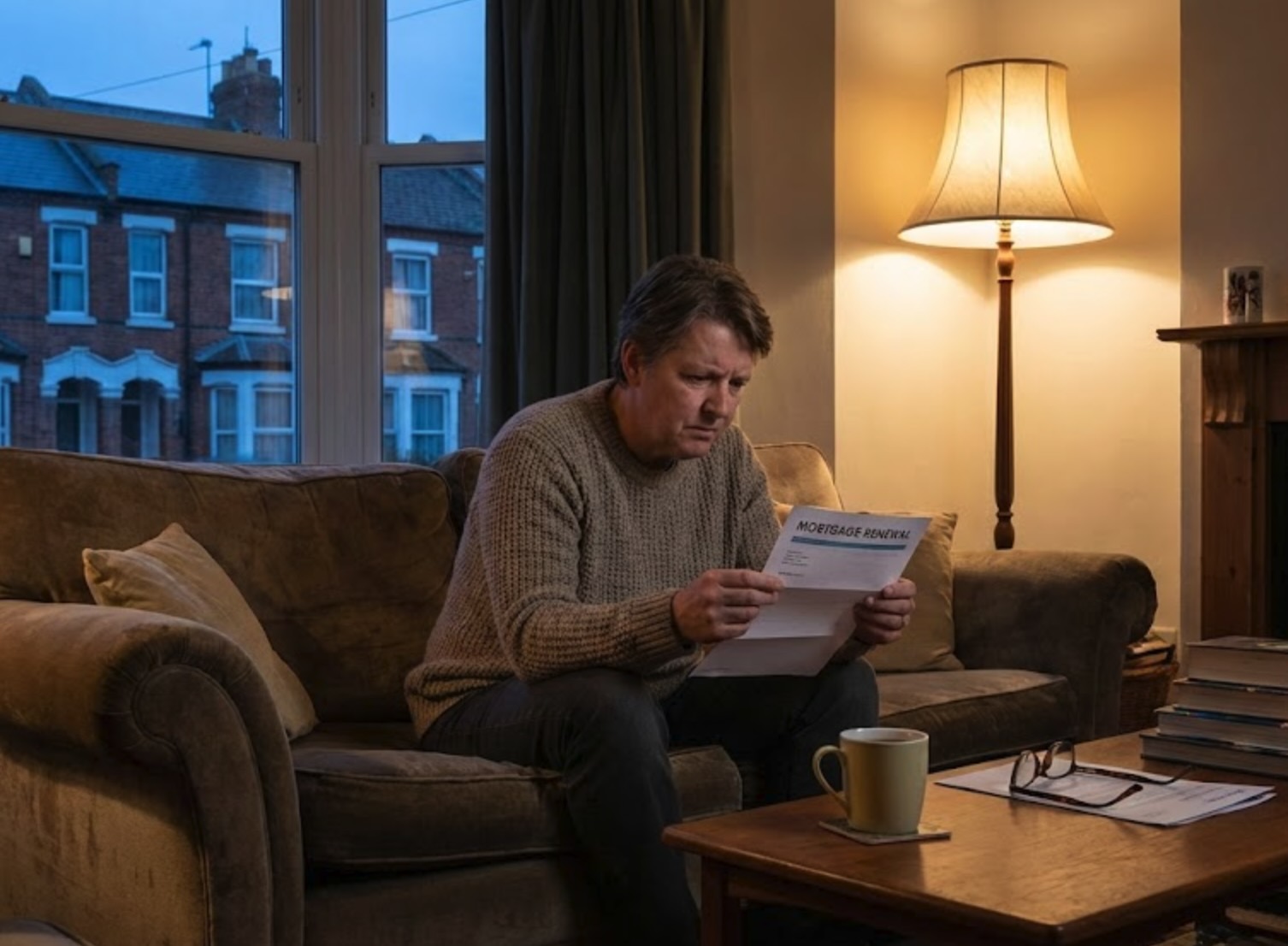
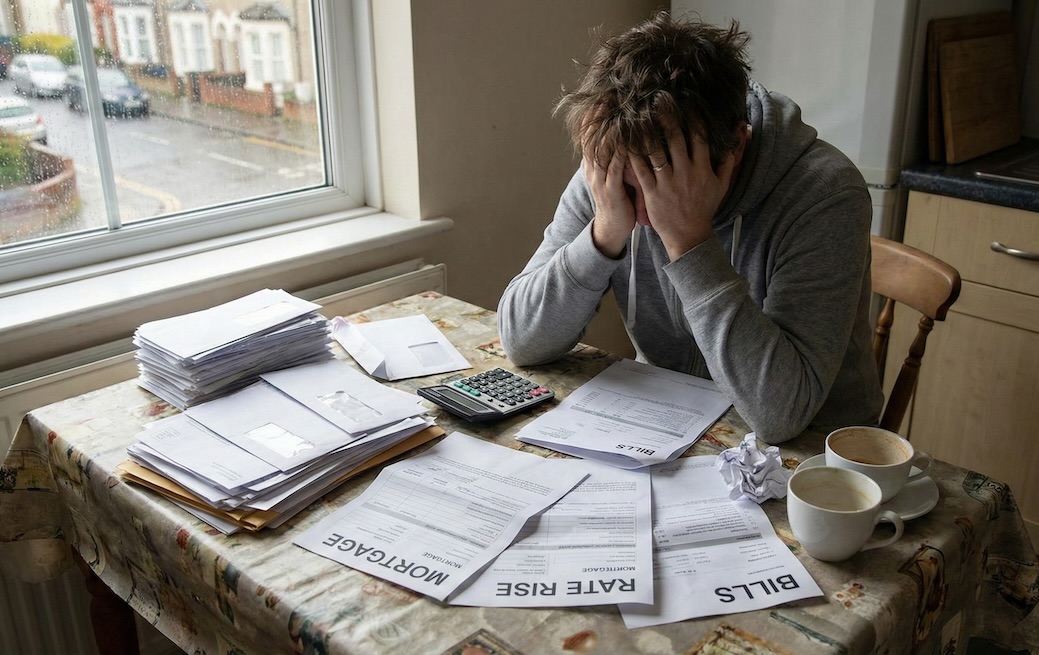
In 2025, the concept of "home" in the United Kingdom remains a powerful emotional anchor, representing freedom, security, and a future built on one's own terms. However, the financial gateway to this dream (the deposit) remains a significant barrier. The journey to saving this lump sum is often the most stressful period of an adult's financial life, requiring immense sacrifice with increasing cost-of-living crisis.
While interest rates have stabilised at a "new normal" (higher than the historic lows of the 2010s but less volatile than 2023), the definition of the "minimum down payment" has shifted. Through government intervention and lender innovation, the path to ownership is no longer strictly defined by a 10% or 20% savings pot.
The Mechanics of the Down Payment
To navigate the market, one must understand the function of the deposit. It serves as "skin in the game," acting as a risk buffer for the lender. The relationship between your deposit and the loan is the Loan-to-Value (LTV) ratio.
- 5% Deposit: You own 5%; the bank lends 95% (95% LTV).
- 10% Deposit: You own 10%; the bank lends 90% (90% LTV).
The general minimum down payment in the 2025 UK market is 5%. For an average UK property costing roughly £299,892, this equates to approximately £15,000.
The Trade Off: While a 5% deposit allows you to buy sooner, it comes with higher monthly costs. Lenders charge higher interest rates on 95% LTV mortgages to mitigate their risk. Data suggests that saving an additional 5% (reaching a 10% deposit) can save a buyer nearly £9,000 in interest over five years. Buyers face a critical choice: enter the market early at a higher cost, or rent longer to secure a cheaper rate.
The 2025 Economic Environment
Making a safe decision requires understanding the current economic waters:
- Interest Rates: The Bank of England base rate has stabilized around 4.25%. This stability has encouraged lenders to reintroduce 95% LTV products, offering low-deposit buyers more choice.
- House Prices: The market is in a "Goldilocks" phase of slow, steady growth (0.7% to 2.5%). This is ideal for first-time buyers; prices aren't running away too fast, but they aren't crashing (which would risk negative equity for those with small deposits).
- Affordability vs. Deposit: Having the cash is only half the battle. You must pass the "Affordability Stress Test." Lenders typically cap borrowing at 4.5 times your annual salary. Therefore, even if you have a 5% deposit, if your income cannot support the mortgage payments, you may need a larger deposit to reduce the loan size.
Government Support Schemes
The government has solidified several pathways to assist buyers with minimum down payments:
- Mortgage Guarantee Scheme (Permanent): Now a permanent fixture, the government guarantees the portion of a mortgage over 80%. This encourages banks to offer 95% LTV mortgages, ensuring widespread availability of low-deposit options.
- First Homes Scheme: Offers a 30% to 50% discount on new-build homes for first-time buyers and key workers. While you still need a 5% deposit, it is calculated on the discounted price, significantly lowering the cash required.
- Shared Ownership: Allows buyers to purchase a share of a property (e.g., 25%) and rent the rest. You only need a 5% deposit on the share you buy, making it accessible for those in high-value areas like London.
- Lifetime ISA (LISA): A savings vehicle where the government adds a 25% bonus to your savings (up to £1,000 bonus per year). This is the most efficient way to build a deposit.
The Zero Deposit Revolution
A major development in 2025 is the normalisation of the Skipton Track Record Mortgage. This product challenges the traditional requirement of a deposit by using rental history as proof of affordability.
- How it works: If you can prove 12 months of consecutive rental payments and have a clean credit history, you can borrow 100% of the property value (£0 deposit).
- The Logic: If you have paid high rent reliably, you can likely afford a similar mortgage payment.
- The Risk: Starting with 0% equity means you are immediately vulnerable to negative equity if house prices dip even slightly.
Solutions for New Builds
Historically, lenders have been wary of offering high-LTV mortgages on new-build homes due to potential initial depreciation. Two industry schemes have solved this:
- Deposit Unlock: An insurance scheme funded by housebuilders that allows buyers to purchase new builds with just a 5% deposit.
- Own New Rate Reducer: Builders contribute 3% to 5% of the purchase price to subsidize the buyer's mortgage interest rate. This can reduce interest rates to between 0.5% and 2% for the first few years, drastically improving monthly affordability.
Regional Disparities and Self-Employment
The "minimum" deposit varies wildly by geography.
- The North-South Divide: In the North East, a 5% deposit might be £8,000—a surmountable savings goal. In London, a 5% deposit could be £28,000.
- The London Paradox: In the capital, the deposit is rarely the bottleneck; the income multiple is. To buy an average London home with a 5% deposit, a household needs an income of nearly £120,000.
For the Self-Employed, the path is stricter. Lenders often require 2-3 years of accounts (SA302s). However, contractors have a distinct advantage. Some lenders calculate affordability using a day-rate formula rather than net profit:
Annual Income = Day Rate x 5 (days) x 46 (weeks)
This calculation often results in higher borrowing power, allowing contractors to utilise 5% deposit products that they might otherwise fail to qualify for based on tax returns alone. To explore your own borrowing power as a self-employed or contractor, use our calculator.
The "Hidden" Costs
A critical warning for buyers is that the "minimum down payment" is not the only upfront cash required. You must budget for "sunk costs."
- Stamp Duty (April 2025 Change): A major policy shift occurs on April 1, 2025. The tax-free threshold for first-time buyers drops from £425,000 to £300,000. Buyers purchasing a £400,000 home after this date will face a £5,000 tax bill that was previously £0.
- Professional Fees: Solicitors (£1,000–£2,000) and surveys (£400–£600).
- Moving Costs: Immediate furnishing and logistics.
- Total Reality: On top of a 5% deposit, buyers need an additional £3,000 to £8,000 in liquid cash.
Use our hidden costs calculator to roughly know your numbers.
Strategies for Success
To bridge the gap between dream and reality, successful buyers in 2025 utilize specific strategies:
- Maximize the LISA: The 25% government bonus is unbeatable risk-free return.
- Bank of Mum and Dad: Gifts (not loans) from family remain a primary driver of market entry.
- Tenants in Common: Buying with friends or siblings to split the deposit requirement.
- Cutting the "Big Three": drastically reducing housing, transport, and food costs temporarily to accelerate savings.
Conclusion
Buying a home is an emotional rollercoaster, moving from the excitement of "The Dream" to the anxiety of "The Reality Check" and finally the euphoria of "Completion." While the financial gatekeeper (the deposit) is formidable, the 2025 market is more accessible than previous years.
Through the stability of interest rates, the permanence of government guarantees, and the innovation of 0% and low-deposit schemes, the door is open. The minimum down payment is mathematically 5% (or 0% for renters), but the key to success lies in understanding the trade-offs, managing hidden costs, and selecting the right product for your specific financial profile.
![What Is The Minimum Down Payment (Deposit) For A House In The Uk? [2026][Long Version]](https://mortgagemapper.com/featured-images/the-definitive-guide-to-the-minimum-down-payment-for-a-house-navigating-the-2025-uk-property-market.png)